
Scandinavian Design Online
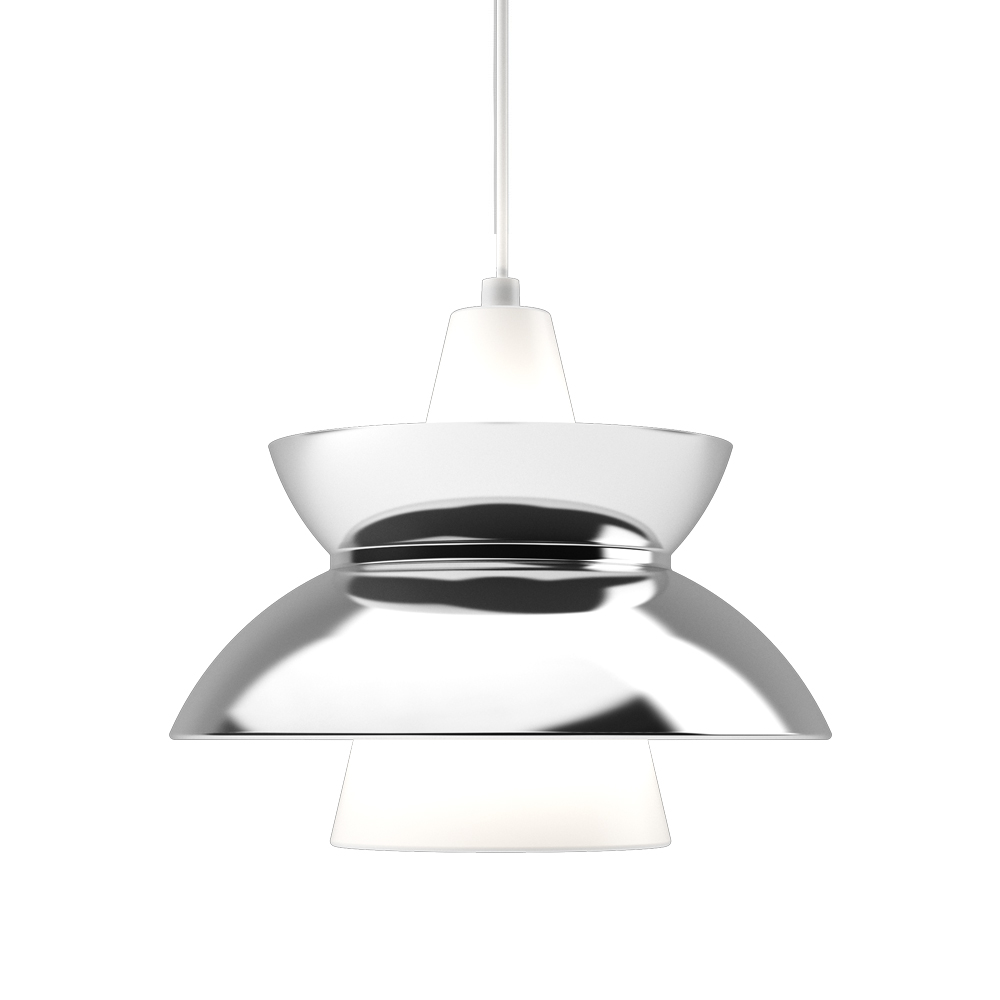

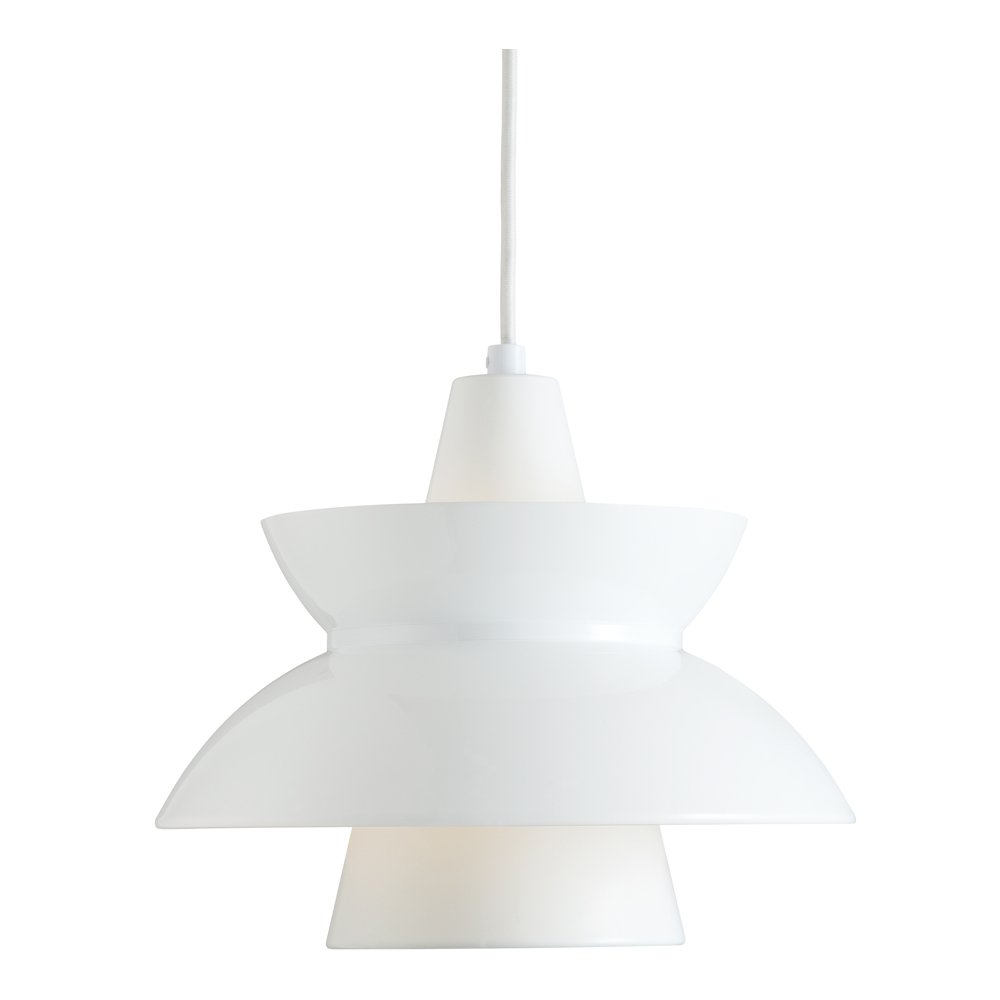
Doo-Wop Pendant
- Questions? We respond quickly to emails!
- Secure payment by debit and credit card and PayPal
- Delivery in EU and International shipping available
- We reserve ourselves against article errors and price adjustments
- Already reduced prices cannot be combined with the Newsletter discount
- Delivery times may vary - for more info contact customer service
- For environmental & practical reasons, most furniture is delivered reassembled
Description
Article no.: 5741093410
Doo-Wop Pendant
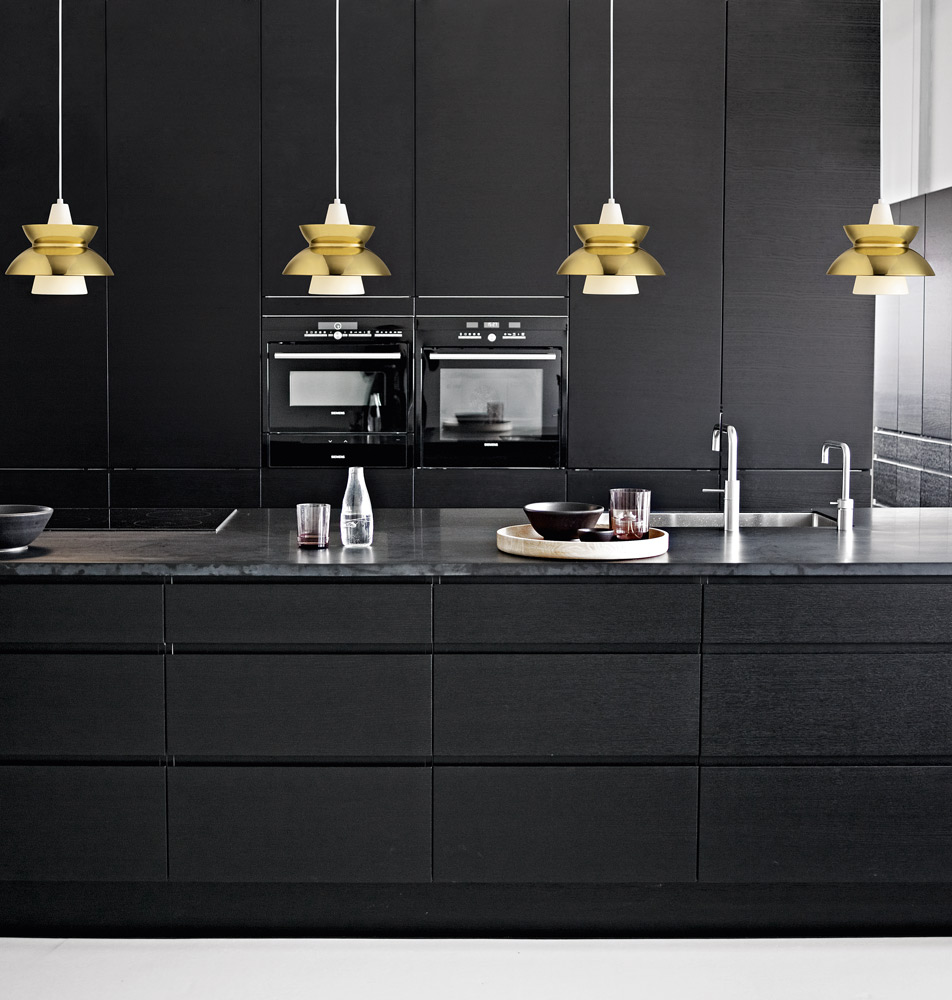
Doo-Wop is a simple and unpretentious pendant that, thanks to its medium size and light radiation, has many different uses. It has a harmonious design and is perfect for hanging alone, in a row or in a group. Doo-Wop gives life to the living room, dining room, kitchen, home office, nursery, hall, staircase or bedroom - in short, it contributes to both a fresh fan and good lighting in the home's various rooms.
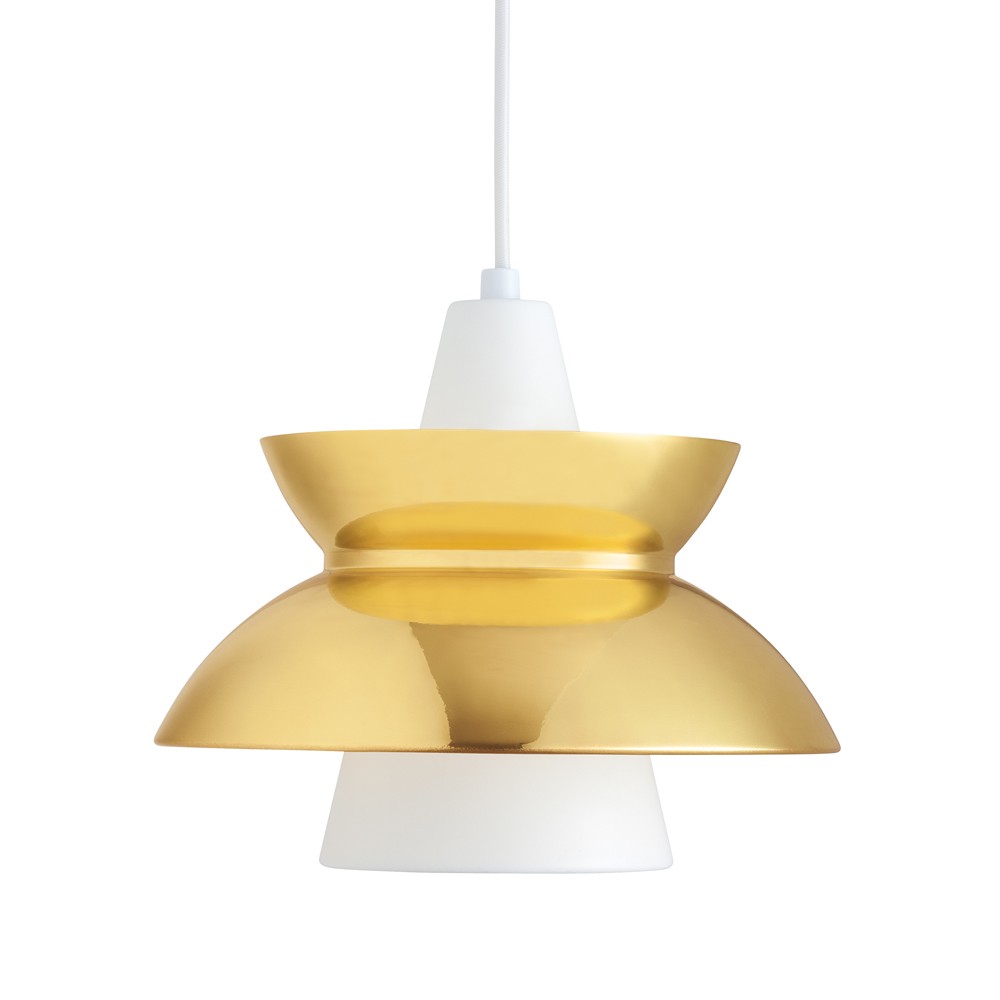
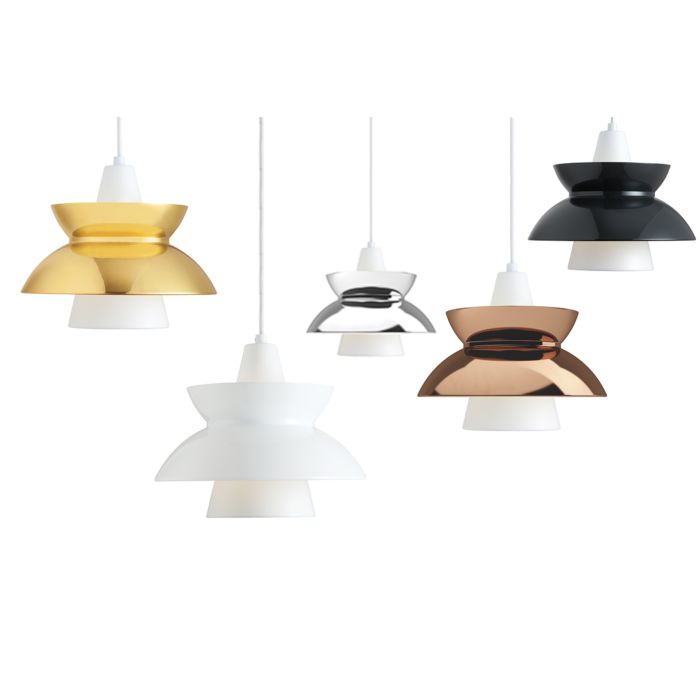
Doo-Wop was originally launched in the 1950s and was designed in close collaboration between Søværnet's Building District and Louis Poulsen. It was used for many years in the Navy's various buildings, including dining rooms and offices. The "Naval Pendant", as it was called, became widespread due to its unique light properties and wide range of uses. It did not disappear from Louis Poulsen's catalogs until the early 1980s. In recent years, more and more of the older editions have returned to the market thanks to antique shops and auctions. This has created a demand and desire to resume production, something that has now become a reality. The new version is extremely faithful to the previous one. Although the colors have been updated, the production methods are the same. The screens are turned by hand and finish with the elegant arch that gives the screen a special optical volume. The brass edition is a craft challenge because it is turned out of a solid brass plate and appears polished. To facilitate care and preserve the appearance, the brass version is provided with protective varnish.
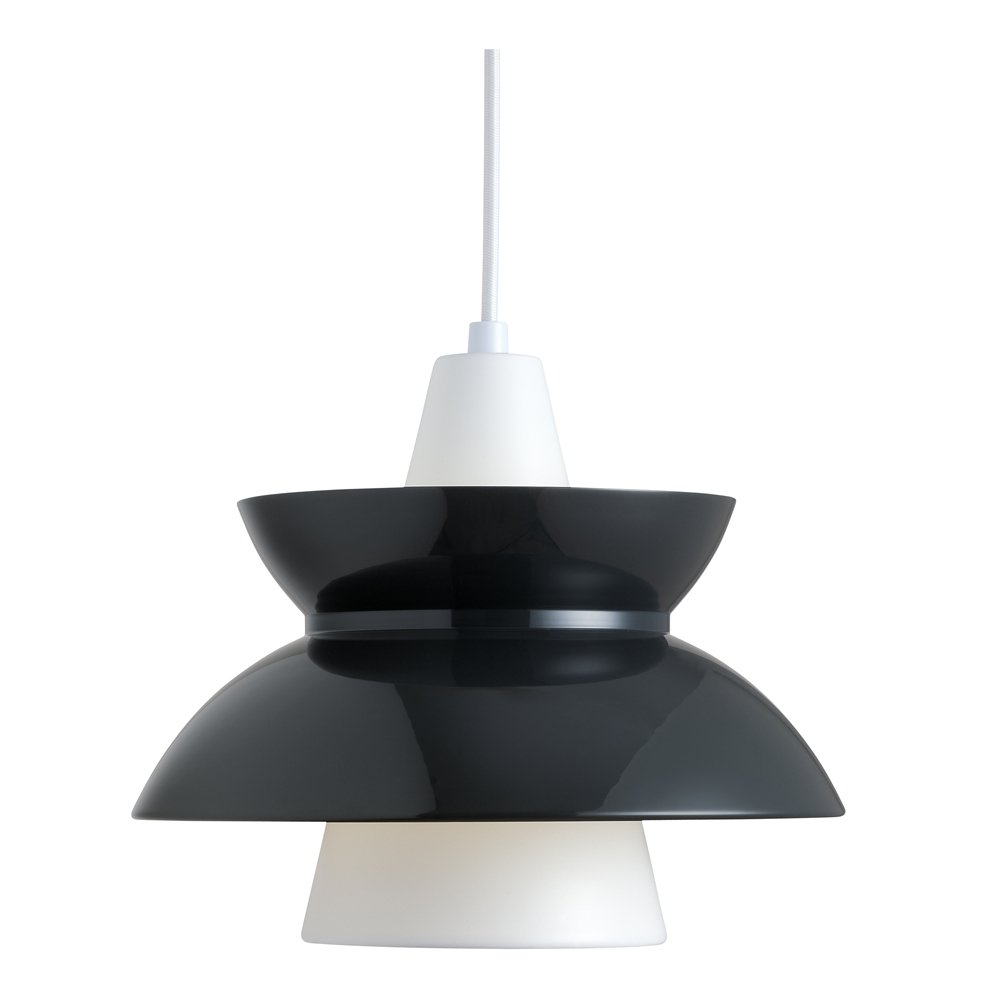
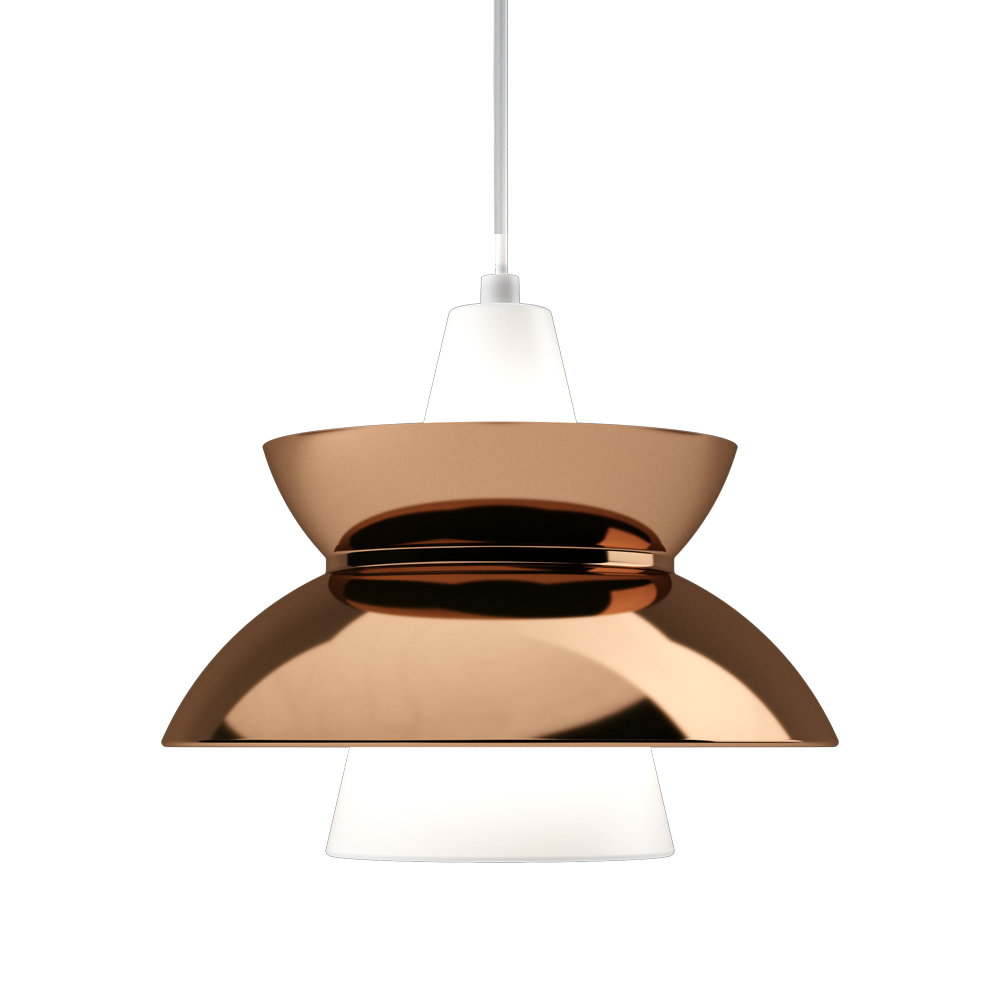
In principle, the Doo-Wop has two reflectors: the inner conical shape, which gives a glare-free downward-pointing light, and the outer one, which gives a diffused upward / downward-directed light. The outer screen especially helps to create an elegant and atmospheric light around the pendant. Doo-Wop is available in the colors red / orange, light blue, green, white, black / gray and in an exclusive brass edition. All editions are equipped with an E27 socket. The design of the lamp makes it possible to use several different light sources without this affecting the light quality. However, it is not recommended to use light sources with a color index below 85, as this impairs the color reproduction and mood of the room.
Product details
Brand: Louis Poulsen
Design: Louis Poulsen
Dimensions:
Height: 24.5 cm
Ø: 28.3 cm
Material: Aluminium
Light source / socket: E27
Light source included: No
Cable: 3 m white textile
Accessories: Not equipped with a roof socket.
Delivery time: About 5-7 days
Other: See alternative energy-saving light sources at www.louispoulsen.com